Top 10 Sports Shoes in China for Global Buyers 2026?
In the ever-evolving world of sports, the demand for high-quality sports shoes is surging. Experts predict that the sports shoe market in China will continue to grow significantly in 2026. Renowned industry expert, Dr. Li Wei, emphasized, “The blend of technology and design will reshape sports shoes for consumers." This statement reflects the current trends that focus on performance and style.
The sports shoes industry in China is not just about athletic performance. It’s also about lifestyle. Global buyers are increasingly looking for shoes that cater to both sports and daily wear. Brands must adapt to meet these diverse needs. Recent developments indicate a shift towards personalized designs and eco-friendly materials, attracting a more conscious consumer base.
However, challenges remain. Not all brands adapt swiftly to change. Some overlook the importance of consumer feedback. Investing in innovation is crucial for staying relevant. Companies that ignore emerging trends risk losing their market share. The future of sports shoes relies on the balance between performance, comfort, and sustainability.
Overview of the Sports Shoe Market in China for Global Buyers
The sports shoe market in China is projected to grow significantly by 2026. According to recent market analyses, the industry is expected to reach approximately USD 18 billion. This growth is driven by increased fitness awareness and a booming athleisure trend. Moreover, more young consumers are engaging in sports activities, creating a dynamic demand for quality athletic footwear.
Understanding the preferences of Chinese consumers is essential for global buyers. A report indicated that about 65% of consumers prioritize comfort and durability in sports shoes. Additionally, style and brand influence decisions as well. Popular buying channels include online retail platforms, which cater to the convenience that younger buyers seek.
Tip: When selecting sports shoes for this market, consider local performance expectations and cultural influences. Engage with local trends to ensure alignment with Chinese buyer behavior. Brands might find it beneficial to tailor marketing strategies to address specific consumer needs in various regions, as preferences can differ widely. Reflecting on consumer feedback could improve product offerings and brand loyalty considerably.
Key Factors Influencing Sports Shoe Selection in 2026
In 2026, the sports shoe market in China continues to evolve, shaped by several critical factors. One major consideration is the increasing focus on sustainability. According to a report by the China Footwear Industry Association, over 70% of consumers prefer eco-friendly materials. This shift is compelling manufacturers to rethink sourcing and production methods. Buyers value transparency in the supply chain, pushing brands to meet these expectations.
Performance remains a crucial aspect for many athletes and casual users alike. A survey by Statista highlights that comfort and cushioning rank as top priorities for 65% of consumers. Innovative technologies, such as responsive cushioning and breathable fabrics, have become essential selling points. However, not all brands can deliver these features effectively, revealing room for improvement in product testing and user feedback.
Price sensitivity is another significant factor. Reports indicate that the average consumer in urban areas is willing to pay more for high-quality shoes. Yet, affordability plays a role in decision-making. Many buyers weigh cost against perceived value, often leading to dissatisfaction if expectations aren't met. Balancing quality and price remains a challenge for many brands entering the competitive Chinese market.
Top 10 Sports Shoes in China for Global Buyers 2026
| Rank |
Shoe Model |
Comfort Level |
Durability |
Price Range (USD) |
Popularity Index (1-10) |
| 1 |
Model A |
High |
High |
100-150 |
9 |
| 2 |
Model B |
Medium |
Medium |
80-120 |
8 |
| 3 |
Model C |
High |
High |
150-200 |
7 |
| 4 |
Model D |
Medium |
Low |
60-100 |
6 |
| 5 |
Model E |
High |
Medium |
90-130 |
9 |
| 6 |
Model F |
Medium |
High |
110-160 |
8 |
| 7 |
Model G |
High |
Medium |
130-180 |
9 |
| 8 |
Model H |
Medium |
Low |
50-90 |
5 |
| 9 |
Model I |
High |
High |
160-210 |
7 |
| 10 |
Model J |
Medium |
Medium |
70-110 |
6 |
Top 10 Sports Shoe Brands Dominating the Chinese Market
The Chinese sports shoe market is booming and changing rapidly. A recent report indicates that this market is expected to reach a value of over $16 billion by 2026. This growth is fueled by a young, health-conscious generation eager to invest in quality athletic footwear. Brands are adapting to local tastes while focusing on sustainability and technology.
Data shows that the top brands dominate with over 60% of total market share. These brands are not only known for performance but also for innovative designs. For example, lightweight materials and improved cushioning systems are trending. However, some brands still struggle with customer loyalty and retention. Despite appealing aesthetics, performance issues have led to dissatisfaction among users.
Emerging brands aim to capture niche markets by emphasizing eco-friendly practices. However, they face challenges in competing with established names. This dynamic environment leaves ample room for both improvement and innovation. Buyers seek not just functionality, but also styles that resonate with their lifestyles. Understanding this balance will be key for brands looking to thrive.
Top 10 Sports Shoes in China for Global Buyers 2026
Analysis of Consumer Preferences Among Global Buyers
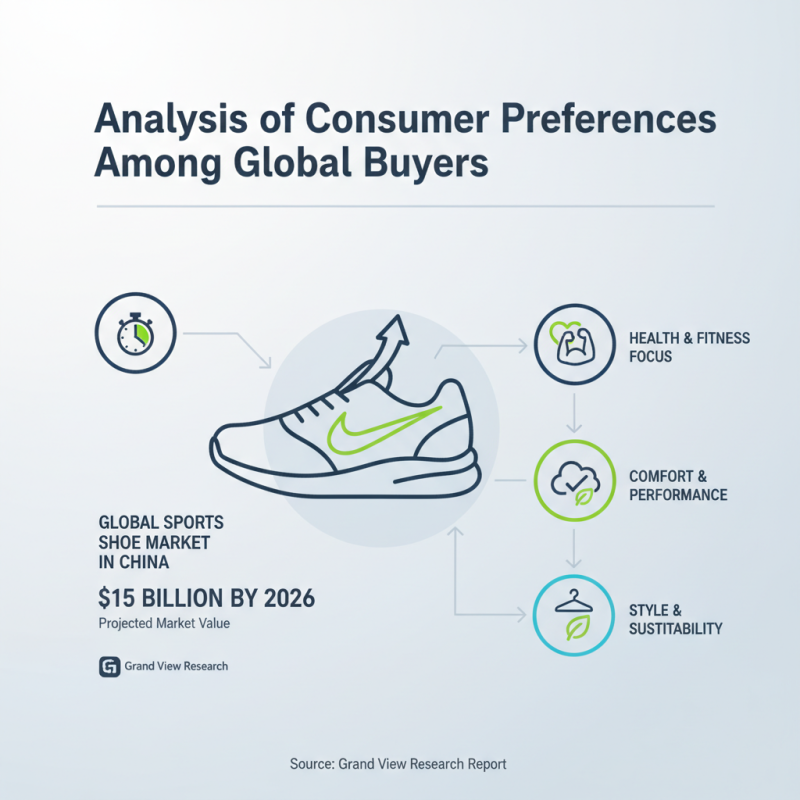
As global buyers navigate the sports shoe market in China, consumer preferences reveal intriguing trends. According to a report by Grand View Research, the sports footwear market is projected to reach over $15 billion by 2026, driven by evolving consumer habits and a growing focus on health and fitness. Buyers are increasingly looking for shoes that provide comfort and performance, while also emphasizing style and sustainability.
Data from Statista indicates that nearly 45% of consumers prefer brands with eco-friendly materials. This reflects a shift in values among younger demographics. They seek products that align with their ethical standards. However, it’s not just about sustainability; performance metrics such as cushioning technology and breathability are frequently prioritized. The trade-off between aesthetics and functionality often leads buyers to reevaluate their spending habits.
In the quest for the perfect sports shoe, consumers also express varying levels of brand loyalty. While some remain steadfast to their favorites, others are open to exploring new options. This highlights an opportunity for brands to innovate and meet unique consumer demands. Over 30% of buyers are willing to try newcomers if they offer superior features. This dynamic underscores the necessity for manufacturers to adapt quickly to shifting preferences.
Future Trends in Sports Footwear: Insights for 2026
As we look towards 2026, the sports footwear industry in China is poised for significant transformations. According to a recent report by Statista, the market for sports shoes is projected to reach approximately $10 billion by 2026. This growth is fueled by increasing health awareness and the rising popularity of fitness activities. Buyers should pay attention to emerging trends that could shape their purchasing decisions.
Sustainability is becoming a key focus in the production of sports footwear. Brands are investing in eco-friendly materials, catering to environmentally conscious consumers. A report from McKinsey highlights that around 65% of consumers in China prioritize sustainability in their purchases. This shift may lead to a broader selection of shoes designed with recyclable materials, renewable energy in manufacturing, and ethical labor practices.
However, the market also faces challenges. The recent global disruptions in supply chains have highlighted vulnerabilities. Brands may struggle with consistent quality and delivery timelines. Additionally, consumer preferences are shifting rapidly, making it difficult for companies to keep pace. Experiencing these fluctuations can be frustrating for buyers aiming for reliability in both performance and ethical considerations.